
In 2024, the world is home to 8,118,063,503 people, a historic population milestone that reflects both human survival and human vulnerability. Behind that headline figure lies one of the most important stories in demography: how often people die, how long they live, and which health conditions shape those outcomes. Mortality and life expectancy are not just abstract statistics. They summarize nutrition, sanitation, health care, education, inequality, conflict exposure, environmental risks, and the ability of societies to protect people across the life course.
Globally, the average life expectancy is 73.6 years in 2024. That means a child born today can expect, on average, to live into their early seventies if current mortality conditions persist. At the same time, the world’s average total fertility rate is 2.38, the average annual population growth rate is 1.1%, and the average median age is 33.7 years. These indicators are deeply connected. Lower mortality, especially among infants and children, usually helps populations live longer. Falling fertility and rising longevity gradually increase the share of older adults, pushing up the median age and changing the health needs of entire societies.
Understanding global mortality and health indicators matters because they reveal where progress is real, where it is uneven, and where future pressures are building. Some countries now struggle mainly with chronic diseases of older age, while others still face a heavy burden from maternal mortality, infectious disease, malnutrition, or weak health systems. The world average hides those contrasts. Still, broad global trends are clear: people are living longer than previous generations, child survival has improved dramatically over time, and health systems are increasingly judged not only by how many lives they save, but also by how well they support healthy aging.
This article explores the state of global mortality, life expectancy, and major health indicators in 2024, using the latest demographic context to explain what the numbers mean for ordinary people and for the future of the world population.
Czechia (2024)
| Population | 10,905,028 |
| Growth Rate | 0.38% |
| Density | 140.8/km² |
| Fertility Rate (TFR) | 1.45 |
| Life Expectancy | 79.9 |
| Median Age | 42.1 |
| Birth Rate | 8.4‰ |
| Death Rate | 10.4‰ |
| Infant Mortality | 2.1‰ |
| Net Migration | -86,169 |
Global mortality in context: what death rates really show
Mortality refers to the incidence of death within a population. It can be measured in several ways, including the crude death rate, infant mortality rate, under-five mortality, maternal mortality, and age-specific death rates. Each tells a slightly different story. The crude death rate, for example, counts deaths relative to the total population, but it is influenced heavily by age structure. Older populations may have higher crude death rates even if they enjoy excellent health care, simply because a larger share of residents are elderly.
This is why demographers do not interpret mortality through a single number. A world with 8.12 billion people and a median age of 33.7 is neither uniformly young nor uniformly old. It contains rapidly aging societies, youthful high-fertility countries, and everything in between. Mortality patterns therefore differ sharply across regions.
At a broad level, the world’s current demographic profile suggests a continuing transition:
- Lower infectious-disease mortality than in earlier generations in many parts of the world.
- Longer survival into older ages, which increases deaths from heart disease, stroke, cancer, diabetes, and dementia.
- Persistent inequality in preventable deaths, especially among infants, mothers, and low-income populations.
- Growing exposure to complex health risks, including air pollution, obesity, antimicrobial resistance, climate-sensitive diseases, and conflict-related disruption.
One useful way to think about mortality is to separate premature death from death at older ages. If a society reduces deaths in infancy, childhood, pregnancy, and working-age adulthood, life expectancy rises quickly. Once those gains are achieved, further improvements depend increasingly on preventing chronic disease and extending survival among older adults. This helps explain why raising life expectancy from 50 to 60 years is very different from raising it from 80 to 90 years.
The world average of 73.6 years indicates major long-term progress in reducing early death. But it also signals a new challenge: with more people surviving into later life, the absolute number of deaths can still rise, even while health outcomes improve. In other words, an aging world can experience both better survival and more deaths in total, because the population is larger and older.
Life expectancy: one number that captures decades of progress
Why 73.6 years matters
The global average life expectancy of 73.6 years in 2024 is one of the clearest summaries of human development. It reflects improvements in vaccination, antibiotics, clean water, food security, maternal care, neonatal medicine, safer childbirth, and broader access to health services. In many countries, life expectancy rose rapidly during the twentieth and early twenty-first centuries as basic public health measures became more widespread.
Life expectancy at birth does not mean that everyone dies at that age. Rather, it estimates the average number of years a newborn would live if current age-specific mortality rates remained constant throughout that person’s life. It is therefore a snapshot of current mortality conditions, not a literal prediction for every individual.
At the world level, 73.6 years is a strong achievement, but it is not evenly distributed. In higher-income regions, life expectancy can be far above the global average, often reaching into the upper seventies or eighties. In poorer or more fragile settings, it remains considerably lower. The global figure is best understood as a midpoint between very different national experiences.
What drives life expectancy up or down
Several factors shape life expectancy worldwide:
- Infant and child survival: Preventing deaths in the first years of life has a powerful effect on average lifespan.
- Maternal health: Safe pregnancy and childbirth improve outcomes for both women and children.
- Control of infectious disease: Vaccination, sanitation, and treatment reduce deaths from preventable causes.
- Nutrition: Adequate food, micronutrients, and healthy diets support survival across all ages.
- Health system capacity: Access to doctors, medicines, emergency care, and chronic disease management matters enormously.
- Education and income: Better-educated and wealthier populations usually have lower mortality risks.
- Environmental conditions: Air pollution, unsafe water, heat stress, and occupational hazards increase mortality.
The world’s average growth rate of 1.1% also provides context. Population is still growing, but not at the very rapid pace seen in parts of the past. As fertility declines and life expectancy rises, more countries move toward older age structures. This demographic shift usually brings a transition from infectious disease burdens toward noncommunicable diseases, especially cardiovascular illness, cancer, and metabolic disorders.
Setbacks still happen
Global life expectancy does not improve in a straight line. It can stall or fall during pandemics, wars, famines, economic collapse, or severe health system breakdowns. Even when the long-term trend is upward, short-term shocks can be significant. This is one reason demographers watch mortality data carefully: changes in death rates often reveal social crises faster than many other indicators.
Health indicators beyond lifespan: survival, fertility, and aging
Life expectancy is important, but it is not enough
A population can live longer without necessarily living healthier. That is why health analysts examine a wider set of indicators, including infant mortality, child mortality, maternal mortality, cause-specific death rates, disability prevalence, healthy life expectancy, and the prevalence of major risk factors such as smoking, hypertension, and obesity.
Although the data provided here emphasize global demographic averages, they already point toward important structural realities. The combination of life expectancy at 73.6, TFR at 2.38, and median age at 33.7 suggests that the world as a whole is in an intermediate-to-advanced demographic transition. Families are having fewer children than in the past, and more people are surviving long enough to become parents, grandparents, and very old adults.
How fertility affects mortality and health systems
The global total fertility rate of 2.38 is only modestly above the long-run replacement benchmark in many demographic models. This matters for health because lower fertility often changes how resources are distributed within families and public systems. When women have fewer births, maternal risks may decline, households may invest more in each child’s health and education, and governments can gradually shift some health spending toward chronic disease care and aging populations.
That does not mean lower fertility automatically guarantees better health. The relationship depends on income, service quality, gender equality, and policy. Still, in broad demographic terms, lower fertility and lower mortality tend to go together over time.
A median age of 33.7: the world is aging, but not old yet
The average median age of 33.7 years shows that the world population is no longer overwhelmingly youthful, yet it is not globally elderly either. This midpoint creates a double burden for health systems:
- They must continue fighting preventable deaths among infants, children, and mothers.
- They must also manage long-term illnesses associated with adult and old-age populations.
Countries with younger populations often face pressure to expand vaccination, reproductive health services, nutrition programs, and primary care. Countries with older populations need more cancer screening, cardiovascular care, long-term care, rehabilitation, dementia support, and palliative services. Many middle-income countries now need both at once.
This is one of the most important global health realities of the 2020s: mortality is increasingly shaped by a mixed burden of disease. Infectious threats have not disappeared, but chronic conditions now account for a larger share of deaths in much of the world.
The biggest global health challenges behind mortality today
Noncommunicable diseases dominate many death profiles
As populations age and survival improves, deaths are increasingly concentrated in noncommunicable diseases. These include heart disease, stroke, cancer, chronic respiratory disease, and diabetes. Such conditions often develop over many years and are strongly influenced by tobacco use, poor diet, physical inactivity, harmful alcohol consumption, air pollution, and inadequate preventive care.
For a world with 8.1 billion people, even modest increases in chronic disease prevalence can affect hundreds of millions of lives. This is why life expectancy gains can slow if health systems fail to prevent or manage long-duration illness effectively. The issue is no longer only whether people survive childhood, but whether they remain healthy through middle age and old age.
Infectious disease still matters
Despite long-term progress, infectious diseases remain critical in many settings. Respiratory infections, diarrheal disease, malaria, tuberculosis, and emerging viral outbreaks still contribute to mortality, especially where sanitation, vaccination, and health care access are weaker. Global connectivity means outbreaks can spread quickly, while climate change may alter the geography of some vector-borne illnesses.
This creates a paradox of modern health: the world has become better at controlling many infections, yet still remains vulnerable to major disruptions. Mortality gains achieved over decades can be partially reversed if surveillance and preparedness are neglected.
Maternal and child health remains a moral test
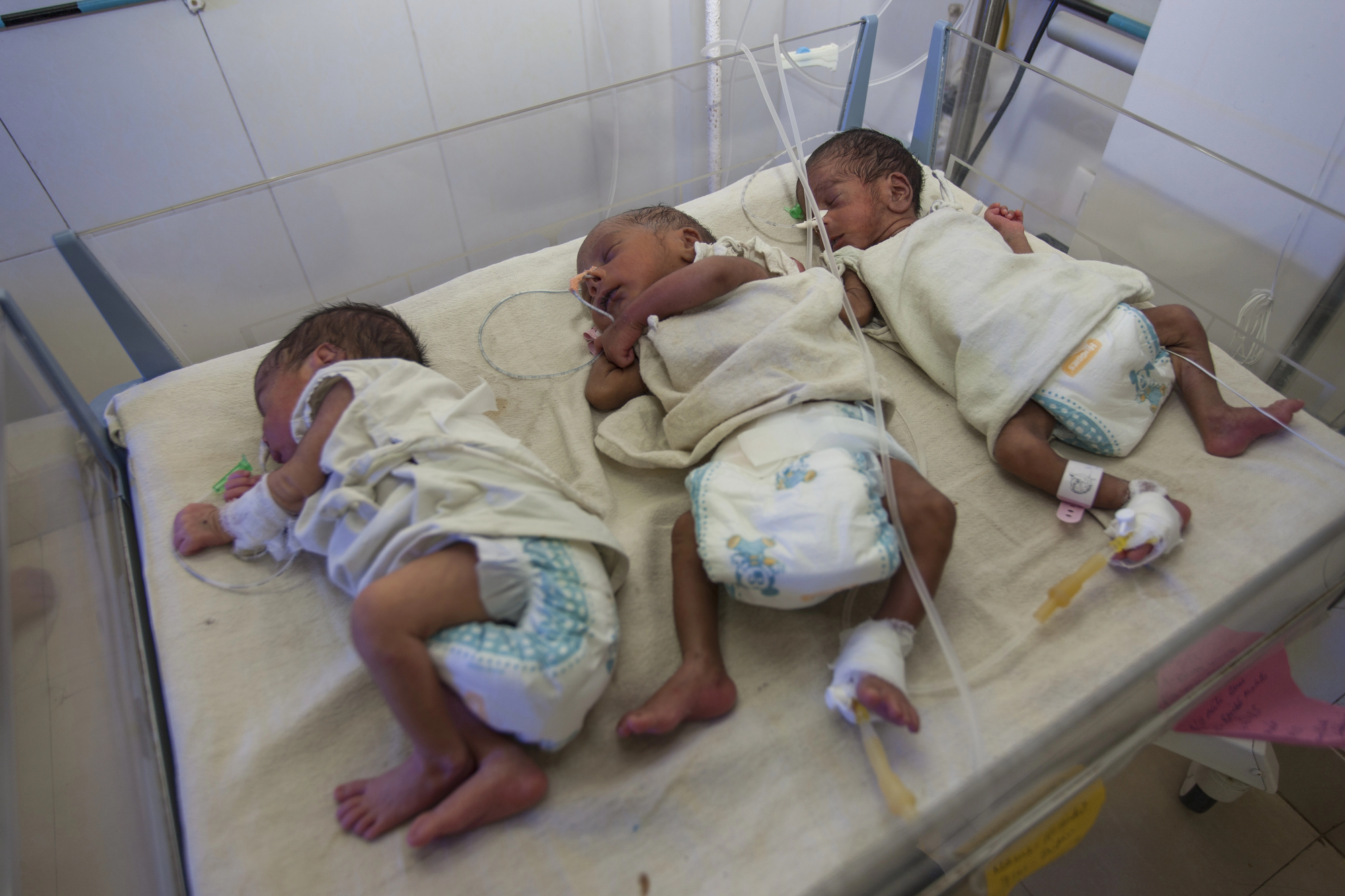
No discussion of mortality is complete without maternal and child survival. Deaths in pregnancy, childbirth, infancy, and early childhood are among the most preventable forms of mortality. When these deaths remain high, they usually point to deeper failures in nutrition, transport, education, sanitation, or primary care access.
Because life expectancy is highly sensitive to deaths at younger ages, continued improvement in maternal and child health remains one of the fastest ways to raise average longevity in lower-income settings. It is also one of the clearest signs of broad social progress.
Mental health, injuries, and violence are often underestimated
Mortality statistics also reflect injuries from road traffic crashes, occupational hazards, homicide, suicide, substance misuse, and war. These causes may be especially important among adolescents and working-age adults, where deaths create large social and economic losses. A country can have improving child survival and still face severe mortality challenges among young men, urban populations, or marginalized communities.
Health indicators are therefore most useful when interpreted together. Life expectancy is essential, but it should be read alongside cause-of-death patterns, age-specific mortality, and disparities by sex, place, and income level.
Future outlook: will the world keep living longer?
The medium-term outlook is cautiously positive. The world’s demographic profile suggests that life expectancy is likely to continue rising over time if current development trends broadly hold. With fertility at 2.38 and population growth at 1.1%, global population momentum remains significant, but the pace is slower than in many earlier decades. This can create opportunities for stronger per-capita investments in health, especially if governments prioritize prevention and universal access.
Several trends are likely to define the next phase of global mortality change:
- Population aging will intensify, increasing demand for elder care and chronic disease management.
- The gap between lifespan and healthspan may become more important, shifting attention to healthy life expectancy rather than survival alone.
- Climate and environmental pressures may raise mortality risks through heat, pollution, crop stress, displacement, and disease shifts.
- Technological gains may improve survival through better diagnostics, vaccines, telemedicine, and personalized treatment.
- Inequality will remain decisive, because average progress can still leave vulnerable populations behind.
Demographically, a world with a median age of 33.7 is moving toward older age structures, but many regions are still young enough to benefit strongly from investments in primary care, reproductive health, nutrition, and education. In effect, the world is balancing two futures at once: one focused on reducing preventable early deaths, and another focused on healthy aging.
The biggest policy lesson is simple. Mortality does not improve only inside hospitals. It improves through cleaner air, safer roads, better diets, more equal access to care, stronger vaccination systems, better maternal services, and more resilient public institutions. Longevity is ultimately a social achievement as much as a medical one.
Conclusion
The global picture in 2024 is both encouraging and demanding. Humanity has reached a population of 8,118,063,503, with an average life expectancy of 73.6 years, a total fertility rate of 2.38, a growth rate of 1.1%, and a median age of 33.7. Together, these figures tell the story of a world that has made substantial progress in survival but now faces more complex health challenges than ever.
Mortality is no longer defined only by whether children survive the first years of life, though that remains crucial. Increasingly, it is also shaped by whether adults avoid preventable chronic disease, whether older people receive quality long-term care, and whether societies can reduce deep inequalities in health outcomes. The next gains in global longevity will depend less on one dramatic breakthrough and more on sustained, broad-based improvements in public health, medical access, environmental protection, and social stability.
If the world succeeds, future generations may look back on today’s 73.6-year average lifespan as only another step upward. If it fails, mortality shocks, inequality, and system strain could slow or reverse progress. That is what makes these indicators so important: they do not merely count deaths and years. They measure how well humanity is learning to protect life itself.




Comments (0)
Leave a Comment
No comments yet. Be the first to comment!