
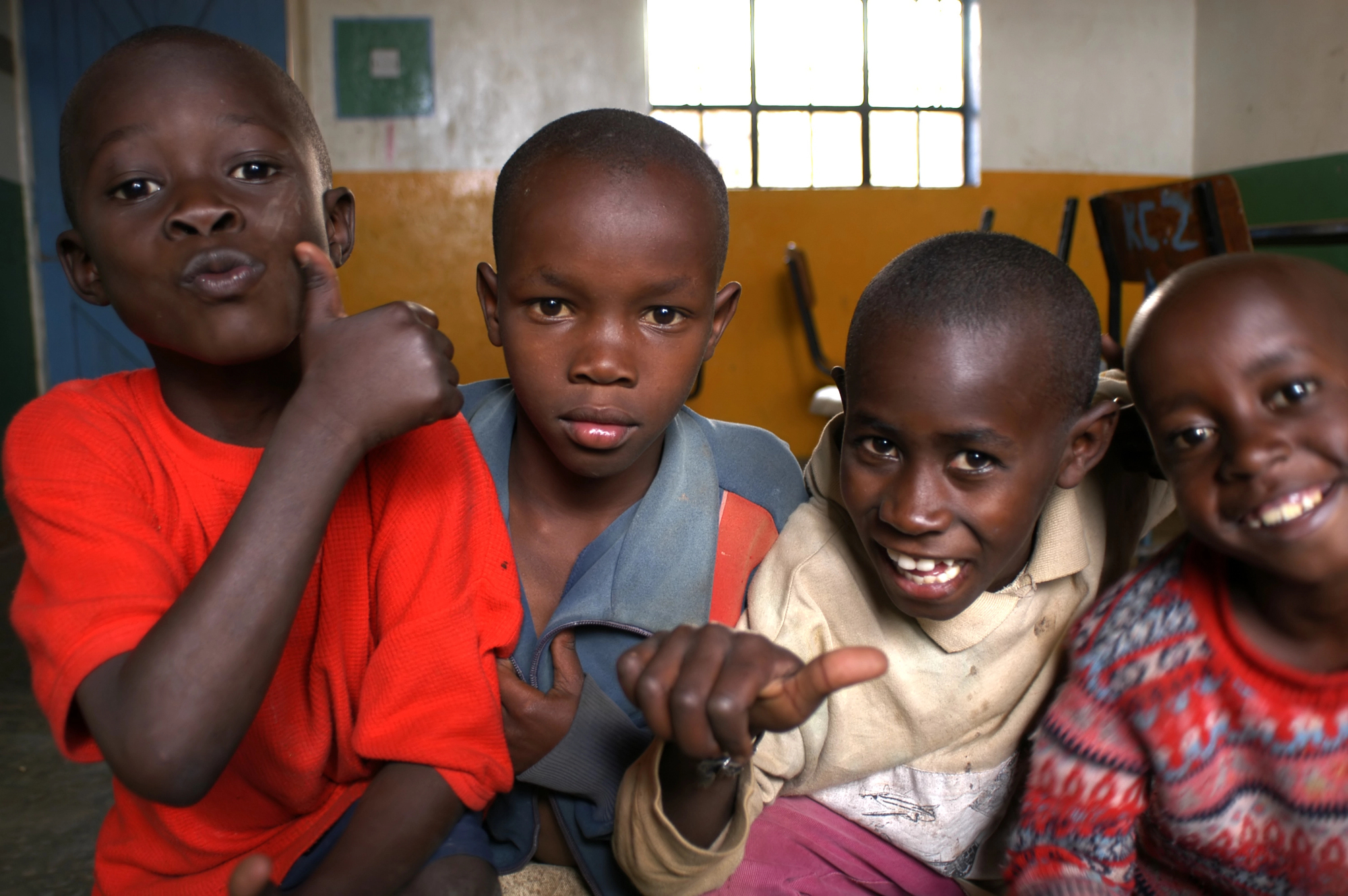
Africa is still the world's youngest continent, but that does not mean population aging is irrelevant. In fact, one of the most important demographic stories of the coming decades is how African societies will manage a double transition: they must continue educating, employing, and supporting very large youth populations while also preparing for a steady rise in the number of older adults.
Today, many African countries still have high fertility and fast population growth. Nigeria, the continent's most populous country, has 232,679,478 people, a total fertility rate (TFR) of 4.482, life expectancy of 54.462 years, and annual population growth of 2.083%. Ethiopia has 132,059,767 people, a TFR of 3.989, life expectancy of 67.315 years, and growth of 2.584%. Egypt, by contrast, has a lower TFR of 2.75 and higher life expectancy of 71.633 years, with a population of 116,538,258.
These figures matter because aging does not begin only when a country becomes old in the European or East Asian sense. Aging starts when people live longer and fertility gradually falls. That process is already visible across parts of Africa. Countries such as Algeria and Morocco, with life expectancies of 76.261 and 75.313 years respectively, are further along in this transition than countries like Niger or the Democratic Republic of the Congo, where fertility remains above 6 children per woman in some cases.
The consequence is clear: Africa will remain young for a long time, but it will also become older in absolute terms. The number of elderly Africans will rise sharply because the continent's total population is growing so quickly. That shift will affect health care, family life, pension systems, labor markets, housing, and public finances. The challenge is not whether aging will matter, but when, where, and how fast.
A Continent Still Young, but No Longer Demographically Static
Africa's population structure is shaped first and foremost by high fertility. Among the 20 largest countries listed in the data, several still have very high TFRs:
- Niger: 6.061
- Democratic Republic of the Congo: 6.051
- Mali: 5.614
- Angola: 5.124
- Mozambique: 4.763
- Tanzania: 4.606
- Nigeria: 4.482
At the same time, a number of larger African countries have already moved closer to replacement-level fertility, or at least much lower than the continental high-fertility pattern. South Africa has a TFR of 2.216, Morocco 2.23, Egypt 2.75, and Algeria 2.766. These differences are crucial. Countries with lower fertility and longer life expectancy generally age more quickly because fewer births mean a smaller share of children over time, while improved survival raises the share of adults and seniors.
Population growth rates also reveal where youthful expansion is still strongest. Niger is growing at 3.281% annually, the DR Congo at 3.243%, and Angola at 3.044%. By contrast, growth is much slower in Sudan at 0.808%, Morocco at 0.973%, and South Africa at 1.250%. Slower population growth often signals the early stages of population aging, especially when paired with lower fertility and rising life expectancy.
Life expectancy is another central part of the story. In the data provided, the highest values among the listed countries are:
- Algeria: 76.261 years
- Morocco: 75.313 years
- Egypt: 71.633 years
- Uganda: 68.252 years
- Ethiopia: 67.315 years
Meanwhile, lower life expectancy persists in several populous countries, including Nigeria at 54.462 years, Mali at 60.439, and Niger at 61.183. This means Africa's aging process will be uneven. Some countries are moving steadily toward older population structures, while others are still dominated by very high birth rates and lower survival. There is no single African aging model.
Still, the broad direction is unmistakable. As child survival improves, adult longevity rises, and fertility gradually declines, even highly youthful populations begin to age. The key issue is that in Africa this shift often happens while development systems remain under severe pressure.
Why Population Aging in Africa Will Look Different
It will happen alongside rapid population growth
In Europe and East Asia, aging often coincided with low or very low population growth. Africa is different. Many countries are growing quickly even as the long-term foundations of aging are being laid. For example, Ethiopia is growing at 2.584% a year despite having a TFR below 4.0. Kenya, with a population of 56,432,944, has a TFR of 3.208, life expectancy of 63.646 years, and growth of 1.958%. These are not old societies, but they are not demographically frozen either.
This means Africa's future will not simply be a young continent suddenly becoming old. Instead, many countries will face a long period in which they have:
- very large cohorts of children and young adults,
- rising numbers of working-age adults,
- and a growing elderly population at the same time.
That combination can create both opportunity and strain. A growing labor force can support economic expansion, but only if jobs, education, and health systems keep pace. At the same time, increasing longevity means more people will live into ages that require chronic disease management, pensions, and long-term care.
Family-based support remains central
In much of Africa, older people are still supported mainly by family networks rather than formal pension systems or universal eldercare. This has long been a strength, but urbanization, migration, and changing household structures are making it harder to rely entirely on traditional arrangements. Younger relatives often move to cities or abroad, leaving older parents in rural areas. In some places, older adults also continue supporting younger generations, especially where unemployment or instability remains high.
Population aging in Africa, then, is not just about old-age dependency in the classic sense. It is also about intergenerational reciprocity: grandparents caring for grandchildren, older adults working past retirement age, and families balancing school costs, housing pressures, and medical expenses across multiple generations.
The pace will vary sharply between countries
Compare South Africa and Niger. South Africa's TFR is 2.216, close to replacement level, while life expectancy is 66.139 years. Niger, by contrast, has a TFR of 6.061 and life expectancy of 61.183 years. Both countries will age in the long run, but South Africa is likely to experience the fiscal and social consequences of aging sooner, while Niger will continue to grapple primarily with very rapid youth population growth for longer.
The Main Consequences: Health, Work, and Public Spending
Health systems will have to shift from infectious to chronic care
As Africans live longer, the disease burden changes. Infectious disease, maternal health challenges, and child mortality remain critical in many countries, but aging brings a growing need for care related to hypertension, diabetes, cardiovascular disease, cancer, dementia, and disability. This does not replace existing health burdens; it adds to them.
Countries with relatively higher life expectancy, such as Algeria (76.261), Morocco (75.313), and Egypt (71.633), are especially likely to see stronger growth in chronic disease demand. But even countries with lower life expectancy will face this shift if survival keeps improving. Africa's health systems must therefore prepare for a future in which they manage both communicable and non-communicable diseases simultaneously.
This has practical consequences:
- more demand for primary care and regular screening,
- greater need for affordable medicines for long-term conditions,
- more rehabilitation and disability support services,
- and eventual expansion of geriatric and palliative care.
Labor markets may gain experienced workers, but retirement insecurity is a risk
Because formal pension coverage is limited in many African countries, older adults often remain economically active for as long as possible. In one sense, this can be an advantage: societies retain experienced workers, informal entrepreneurship remains dynamic, and the line between working age and retirement is more flexible than in richer countries.
But there is a downside. Without reliable pensions, many elderly people work not by choice but by necessity. As the older population grows, governments may face rising pressure to expand social protection. That challenge is likely to be greatest in countries where fertility is already lower and life expectancy is relatively high, because aging advances more quickly there.
Morocco, with growth below 1% and life expectancy above 75 years, is in a different position from Uganda, where the population is still growing at 2.754% and the TFR is 4.283. Yet both will eventually need broader systems to protect older citizens from poverty.
Public finances will be stretched by a "double burden"
Africa's demographic transition creates a difficult fiscal reality. Governments cannot simply redirect resources from the young to the old, because youth needs remain enormous. Countries like Nigeria, DR Congo, Tanzania, and Uganda still need vast investment in schools, maternal care, jobs, transport, and housing for rapidly growing populations. At the same time, aging will increase demand for pensions, chronic disease treatment, and social care.
This is why Africa's aging challenge is best understood as a double burden. Unlike already-aged societies that have relatively stable or shrinking youth populations, many African countries must finance both demographic ends at once.
For example:
- DR Congo has 109,276,265 people, a very high TFR of 6.051, and rapid growth of 3.243%.
- Angola has 37,885,849 people, TFR 5.124, and growth 3.044%.
- Mozambique has 34,631,766 people, TFR 4.763, and growth 2.920%.
These are youthful populations today, but their absolute numbers of older adults will also rise in the decades ahead simply because total population size is expanding so fast.
Regional Differences and What the Numbers Suggest About the Future
North Africa is further along in the aging transition
Among the countries listed, North African states stand out for lower fertility, lower population growth, and higher life expectancy. Algeria has a population of 46,814,308, TFR 2.766, life expectancy 76.261, and growth 1.398%. Morocco has 38,081,173 people, TFR 2.23, life expectancy 75.313, and growth under 1%. Egypt is larger and still growing at 1.733%, but its fertility has dropped well below the levels seen in much of sub-Saharan Africa.
This suggests that North Africa will confront classic aging issues earlier: pension sustainability, health-care costs for chronic disease, and changing family support systems. These countries may become important indicators for the rest of the continent.
Sub-Saharan Africa remains youthful, but momentum matters
In sub-Saharan Africa, population momentum remains powerful. Even where fertility declines, large cohorts entering childbearing ages can sustain strong growth for decades. That is one reason countries such as Kenya and Ghana continue to grow even with TFRs lower than those in the Sahel or Central Africa.
Ghana has 34,427,414 people, a TFR of 3.397, life expectancy of 65.498 years, and growth of 1.875%. Kenya, with TFR 3.208, is also moving through demographic transition. These countries are likely to spend the next decades balancing youthful labor-force expansion with gradually rising old-age needs.
High-fertility countries will age later, but not avoid aging
The countries with the highest fertility today - Niger, DR Congo, Mali, and Angola - are often seen as too young for aging to matter. That is true in the short term, but misleading in the long term. A country growing at more than 3% annually can double in size in roughly a generation. When that happens, even a modest share of elderly people can translate into very large numbers.
In other words, Africa's future aging issue is not only about percentages of the population aged 65 and over. It is also about absolute numbers. A small elderly share in a huge population can still produce immense demand for health care, income support, and accessible housing.
What Governments Can Do Now
Invest early, before aging accelerates
The best time to prepare for population aging is before it becomes severe. African countries can use today's still-young age structures to build stronger foundations for tomorrow. That means expanding:
- primary health care with chronic disease prevention built in,
- social protection for workers in both formal and informal sectors,
- civil registration and demographic data systems to monitor aging accurately,
- urban planning that supports mobility, safety, and access for older adults,
- and lifelong employment opportunities that reduce old-age poverty.
Support families without assuming they can do everything
Families will remain central to care in Africa, but policy cannot simply assume that kin networks will absorb all future pressures. Cash transfers, community health workers, local clinics, and affordable insurance can help families continue their role without being overwhelmed.
Turn longevity into an economic asset
Aging is often presented only as a crisis, but longer life can also be a gain. If older adults are healthier, better educated, and financially more secure, they can remain active contributors to communities and economies. The policy goal should not be merely to manage old age, but to create conditions for healthy aging.
Conclusion
Africa is not old, but it is undeniably aging. That distinction matters. The continent still has the world's most youthful populations, with high fertility in many countries and rapid annual growth rates such as 3.281% in Niger, 3.243% in DR Congo, and 3.044% in Angola. Yet fertility is already much lower in countries like South Africa (2.216), Morocco (2.23), and Egypt (2.75), while life expectancy has reached 76.261 years in Algeria and 75.313 in Morocco.
Those numbers point to a continent moving through demographic transition at different speeds. Some African countries are still dominated by youth expansion. Others are beginning to confront the first clear consequences of aging. Over time, all will face the reality that more people are surviving into older age.
The real lesson is that Africa's aging future will not look like Europe's or Japan's. It will be shaped by rapid population growth, uneven development, strong but pressured family support systems, and the need to invest in both the young and the old at once. If governments prepare now, population aging can be managed gradually and fairly. If they wait, one of the century's biggest demographic changes may arrive as a surprise that was visible all along.


Comments (0)
Leave a Comment
No comments yet. Be the first to comment!